Fertility is finite for mammalian females. From birth, females possess a limited number of primordial follicles, collectively called the ovarian reserve. Within each follicle is an oocyte that eventually becomes an egg. But with age, the follicles in the ovarian reserve decrease.
The lowering of dietary recommendations for the consumption of free or added sugar from 25% to 10% of daily calories has been criticized as being based on low-quality scientific evidence, ill-informed opinions and over-extrapolation of results from studies on sugar-sweetened beverages. This Comment by Dr. Kimber Stanhope rebuts these criticisms.
Cats who suffered burns and smoke inhalation in urban California wildfires are at risk of forming deadly blood clots, according to a new study from researchers at the University of California, Davis, Veterinary Medical Teaching Hospital.
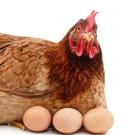
Researchers at the University of California, Davis, have been able to produce antibodies to the SARS-CoV-2 spike protein in hen eggs. Antibodies harvested from eggs might be used to treat COVID-19 or as a preventative measure for people exposed to the disease.
While COVID-19 has been racing through much of the human population, the SARS-CoV-2 virus has also turned up in other mammals. This leads to many questions.
On April 22, the Office of Research hosted a Team Research Forum with six experts to discuss the strength of interdisciplinary research in predictive intelligence so humans can better prepare themselves to navigate the risks of future pandemic challenges.
The field of genetics has enabled the prediction of susceptibility to heritable diseases and map the genome of many species. Now, modern genetics and the birth of a unique foal in New Zealand has provided a successful example of tracking a mutation at its origin.
Collaborative and translational research is a cornerstone of advancing the science of veterinary medicine at UC Davis. Three scientists at the university are taking regenerative medicine to new heights.
A study led by the University of California, Davis, has found significant differences in gut bacteria between Black and white women, even after accounting for their insulin sensitivity status.