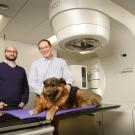
UC Davis is taking a major leap forward in training the next generation of scientists engaged in basic and translational cancer research for animals and humans, thanks to a prestigious National Institutes of Health (NIH) T32 grant.
Researchers at the University of California, Davis, have found a link between traffic-related air pollution and an increased risk for changes in brain development relevant to neurodevelopmental disorders.
Microbes living in the rectum could make a difference to the effectiveness of experimental HIV vaccines, according to research led by Smita Iyer, assistant professor at the UC Davis Center for Immunology and Infectious Diseases and School of Veterinary Medicine.
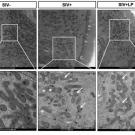
Katti (Horng) Crakes, doctoral student in the schools of Medicine and Veterinary Medicine at UC Davis, served as first author on a UC Davis research study that found that the damaged gut lining (known as leaky gut) in monkeys infected with chronic simian immunodeficiency virus (SIV), an HIV-like virus, was rapidly repaired within five hours of receiving Lactobacillus plantarum bacteria. The outcome lends hope that leaky gut, a common condition among HIV patients, could be effectively treated in the future.
A multidisciplinary UC Davis team, including the veterinary school's Dr. Pam Lein, received the NIH Director’s New Innovator Award to study genes unique to humans that may contribute to neurodevelopmental disorders including autism.
Since 2012, the Veterinary Institute for Regenerative Cures (VIRC) at the UC Davis School of Veterinary Medicine (SVM) has been committed to transforming the SVM into a national leader for veterinary regenerative medicine. VIRC has established laboratory techniques and animal models that have been used to study regenerative therapies for veterinary and human medicine. It has characterized equine, canine and feline stem cells isolated from different tissues with a focus on adult-derived mesenchymal stem cells.
The latest newsletter from the UC Davis Clinical and Translational Science Center highlights collaborations among researchers from human and veterinary medicine. Articles include how clinical trials with animal patients speeds translation to improved care for people, partnerships in human-animal eye research, and new hope from novel canine cancer therapy treatments and feline stem cell therapy for an oral inflammatory disease. Read more
A first-ever tissue implant to safely treat a common jaw defect, temporomandibular joint dysfunction, has been successfully tested in animals by researchers from UC Irvine and UC Davis.
Rhesus macaque monkeys infected in utero with Zika virus develop similar brain pathology to human infants, according to a report by researchers at the California National Primate Research Center and the UC Davis School of Veterinary Medicine published June 20 in Nature Communications.